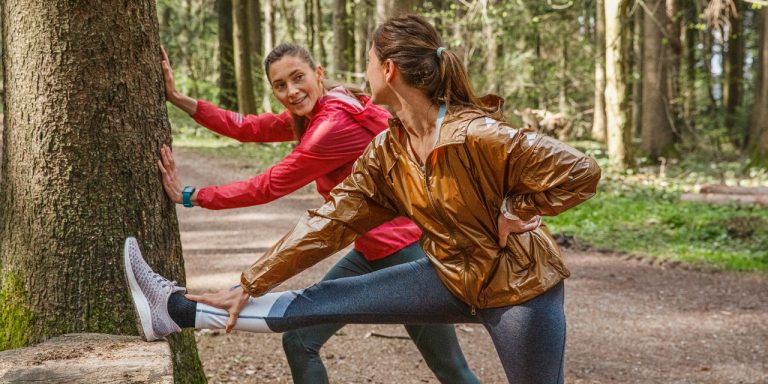
Tips for getting more exercise in your daily life
Modern life often means that we don’t get enough exercise. We spend long periods sitting and don’t walk enough. However, it’s worth including regular exercise in your daily routine, as this improves our well-being and strengthens our immune system.
Doing regular exercise has numerous benefits: you’re doing your health some good and strengthening your immune system. You sleep better, are not as stressed and your performance improves. Furthermore, exercise makes you feel happy and increases your self-esteem.
When we do physical activity, our bodies release dopamine, serotonin and endorphins, known as “happiness hormones”. When you exercise regularly, the concentration of them increases permanently and not just during physical exertion. You become more awake and content. When exercising, cortisone, a stress hormone, is also released. However, over the long-term, exercise can reduce the level of cortisol. We become more tolerant of stress, both physically and mentally.
Overview of topics
Introduce more exercise into your daily routine
The first step towards a more active everyday life is including more exercise. This is easy to achieve and doesn’t take much effort. However, it has a big impact, as even short periods of exercise keep you mentally and physically fit. For example, you can change the following habits:
- Take the stairs rather than the lift or escalator.
- Walk or cycle short distances.
- Get off the bus or tram one stop earlier and walk the rest of the way.
- Make phone calls and hold short meetings standing up.
- Take a break to move around every now and then during your workday.
- Give preference to hobbies that involve you being active.
- Meet up with friends for a walk or do something active.
Turn exercise into a routine
Do you want to be more active and include more exercise in your everyday life? Look for a type of exercise that you enjoy and that meets your requirements. This will make it easier to keep at it.
- Endurance: jogging, cycling, swimming, trampolining
- Strength and fitness: strength training, group fitness
- Team sports: football, basketball, floorball, ice hockey, handball, volleyball, rugby
- Relaxation: yoga, t’ai chi, Pilates
- Fun and action: mountain biking, bouldering, slacklining, skateboarding, skiing, snowboarding, tobogganing
- Water sports: swimming, rowing, surfing, snorkelling, sailing, diving
- In the great outdoors: walking, Nordic walking, jogging, hiking, climbing, mountaineering, horse riding, cycling, bootcamps, winter sports, orienteering
- Music: dancing, Zumba, aqua fitness, gymnastics
- With friends: badminton, tennis, squash, table tennis, in-line skating, tandem, golf, Frisbee
- Competitive sports: martial arts, fencing, Swiss wrestling
- Promotion of balance: qigong, tai chi
- Other ideas: gymnastics, Hornussen (traditional Swiss sport), ice-skating, curling
Inspiration in the Helsana Coach app
In the Helsana Coach app, you can find different strength, endurance, flexibility and yoga workouts. Get inspired for your next training session with one of our ideas. You can also add an entire programme to your plan. Helsana Coach will then accompany you on the way to achieving your health goals.


How to get and stay motivated
Start with small steps.
If you make exercise and physical activity part of your everyday routine, they’ll soon become a habit. Don’t put yourself under pressure. Take it easy and follow our tips and you’ll enjoy exercising in no time.
Finding the right type of exercise
Try a type of exercise that you like and that makes you happy. Remind yourself why exercise is important for your health and quality of life.
Listen to your body.
Pay attention to the messages your body is sending you. Your body will tell you whether the goals you’re aiming for are appropriate or if you’re overdoing it. Don’t set the bar too high. It’ll save you from getting frustrated.
Find people who want the same thing.
Exercising as part of a group is more motivating: hiking, cycling or playing badminton together is fun and easy to organise.
Set yourself reasonable goals.
Sensible goals are SMART goals:
- S = specific
- M = measurable
- A = attractive
- R = realistic
- T = timed
Make a goal that is as specific as possible. Make sure that it is measurable. For example: I will take a brisk 30-minute walk twice a week until the end of the month. Set a goal that you can motivate yourself to achieve. Be ambitious but realistic. And define when you would like to achieve your goal.
Make a plan
Put fixed dates for exercise in your diary and consciously take time for it.
Fitness trackers can motivate you to do more physical activity and therefore improve your training and fitness. Most trackers count your steps and calculate your calorie consumption. They measure your pulse and heart rate, and some have an integrated GPS.
The optimal amount of exercise
The more active you are, the greater the benefits for your health. According to the latest Swiss recommendations, all exercise counts, even if you don’t quite achieve the recommendations.
You can achieve the greatest positive effect with 150 to 300 minutes of medium-intensity endurance exercise per week (e.g. cycling, gardening or housework) or 75 to 150 minutes of high-intensity exercise (e.g. swimming, cross-country skiing or cardiovascular training). Medium intensity means that you get a little out of breath. High intensity means that you start to sweat.
Do medium- or high-intensity muscle-strengthening activities on at least two days a week. These should include all major muscle groups.
Recommended exercises:
- Squats
- Exercises with elastic bands
- Activities to improve balance
The exact amount of exercise recommended depends on age and physical condition, so recommendations for children and adults differ. Generally, nobody needs to fear regularly quickening their pulse a little.
Simple daily exercises
It’s not always possible to fit a long exercise session into your daily routine. But a little exercise is always better than none at all. Even short bursts of movement throughout the day activate your muscles, circulation and brain. These simple exercises can be easily integrated into your daily routine.
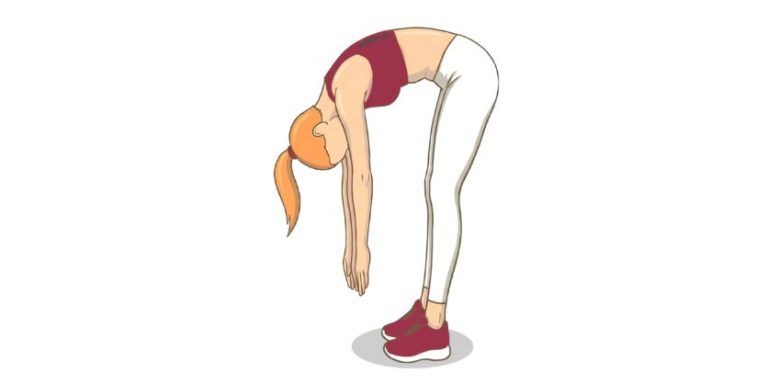
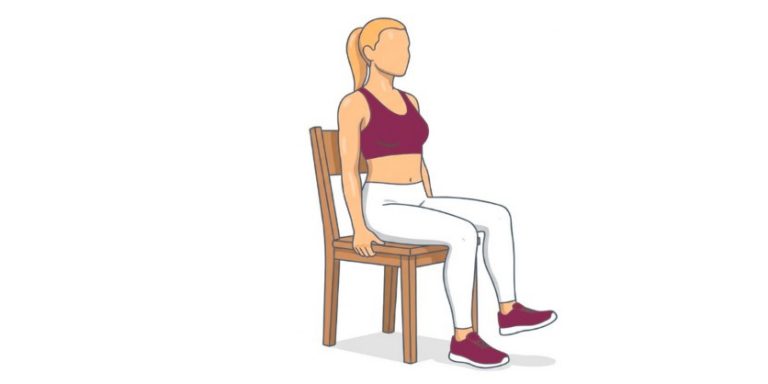
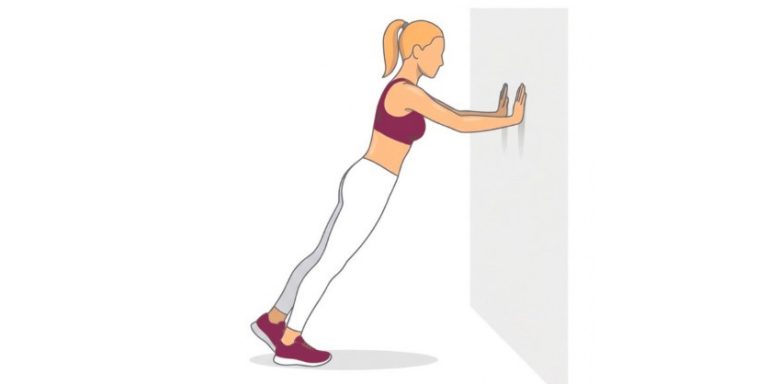
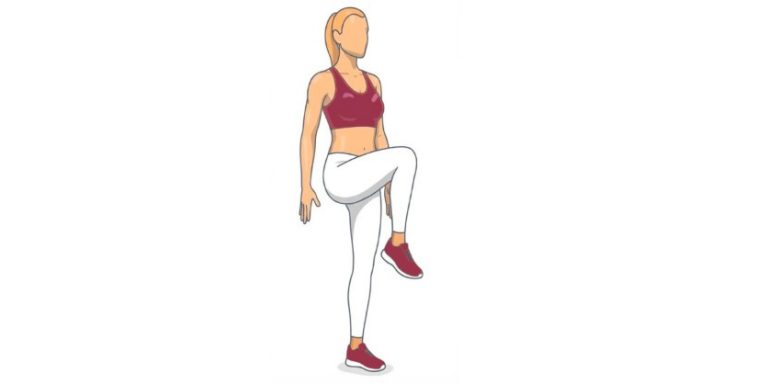
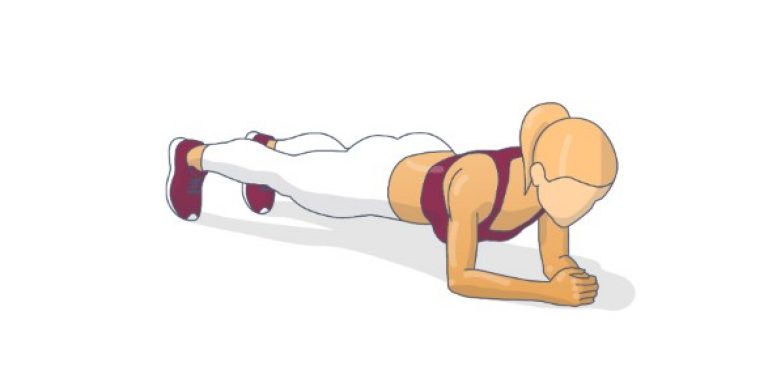
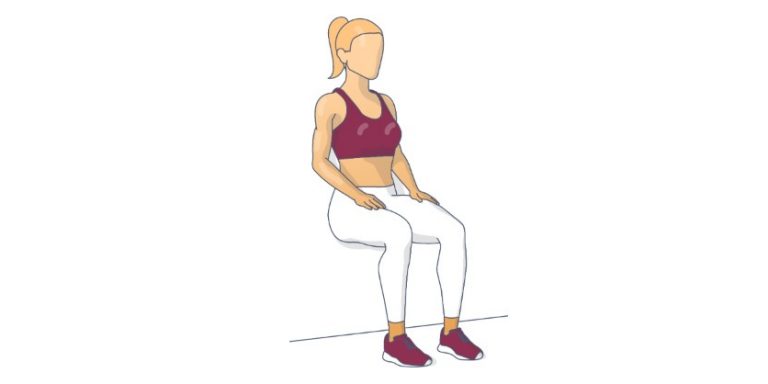
“Exercise and longevity” webinar (only available in German)
What type of exercise is particularly good for our health? What’s the best way to improve endurance, strength, stability and mobility using exercises that can be easily integrated into everyday life? And what movement patterns do people who live particularly long lives show?
Watch the recording of the “Exercise and longevity” webinar now and get answers to these and other questions from Helsana health consultation.
Test your blood markers from the comfort of your own home
We offer home blood tests under the allmo brand. These provide a reliable basis to help you make decisions about your own health. The self-tests offer the following advantages:
- Fuss-free and painless to carry out
- In-depth laboratory analysis within 7 working days
- Clear presentation of relevant health scores
Fitness and metabolism check
Helps to specifically improve training, regeneration and metabolism.
Nutrient and vitamin check
To optimise the supply of nutrients – for more energy and better performance.

The expert provided the editorial team with advice and input for this article. Julia Pieh (doctorate in pharmacy and toxicology, pharmacist, naturopath) works in the Helsana Health Consultation Service.

Newsletter
Find out more about current health issues every month and get all the information you need about our attractive offers from all Helsana Group companies * delivered by e-mail to read whenever it suits you. Our newsletter is free of charge and you can sign up here:
We did not receive your information. Please try again later.
* The Helsana Group comprises Helsana Insurance Company Ltd, Helsana Supplementary Insurances Ltd and Helsana Accidents Ltd.