Ten tips to beat the heat
Bright sunshine, a refreshing dip in the water or a barbecue with friends: for many people, summer is the best time of the year – but for others, the heat makes it almost unbearable. These 10 tips will help.
Overview of topics
1. Stay hydrated
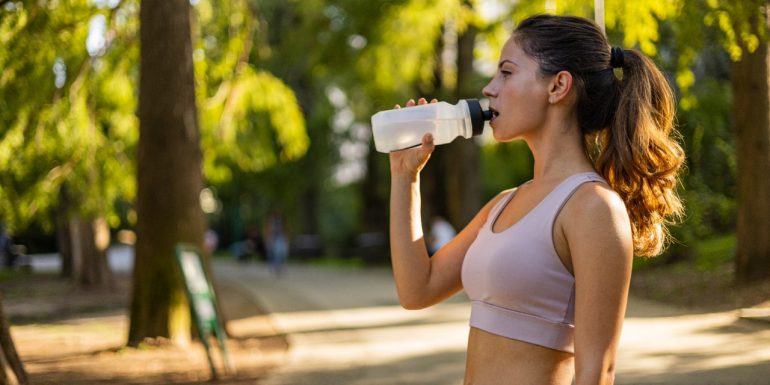
You should drink enough to maintain your balance of fluids and electrolytes. Avoid sweet drinks in favour of mineral water or tea. Make sure that the drinks are not too cold.
Good to know: Some fruits and vegetables, such as cucumber and watermelon, also have a high water content.
2. Light meals
Avoid heavy meals in favour of light fare or several small meals. Try out our summer recipe: falafel and salad with mint dressing.
3. Avoid coffee and alcohol
Coffee stimulates circulation but the effect soon drops off. Alcohol stresses the circulatory system and dehydrates the body.
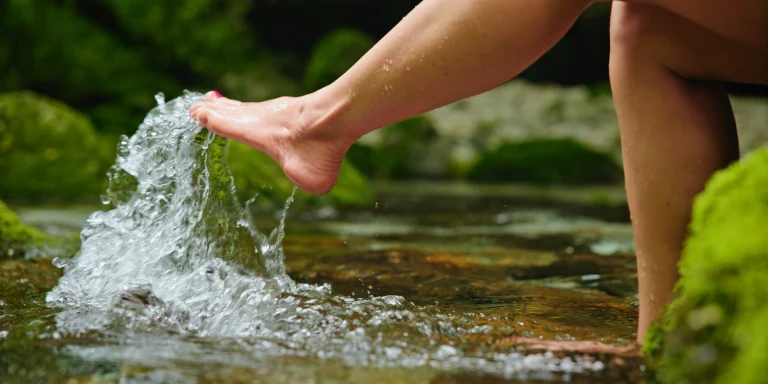
4. Cool footbaths
Rest your feet in cool water or pour some over your wrists or neck. This will cool you down and keep your circulation going.
5. Loose clothing
Wear clothes made of linen or cotton. Light garments allow air to circulate, helping you to sweat less.
Heatstroke is caused by intense heat and often occurs in conjunction with dehydration. While sunstroke primarily affects the head, heatstroke causes the entire body to overheat. Temperature regulation fails and the affected person can no longer sweat.
Typical symptoms include muscle cramps, confusion, hallucinations or disorientation. The pulse is fast, the blood pressure is low, the skin is hot and dry. As these symptoms are often misinterpreted as tiredness or exhaustion, heatstroke sometimes goes untreated for too long.
Move the affected person out of the heat immediately and call the emergency services. The first aid measures are the same as for sunstroke.
6. Summer hairstyles
People with long hair should tie it up to ventilate their forehead and neck.
7. Caution during sport
It is possible to exercise in hot weather, but it can strain the body. Reserve physical activity for the morning or evening hours. In general, the higher the temperature, the gentler your training should be. Listen to your body.
8. Proper ventilation
In the morning, open the windows of your home while the air is still cool. Then close all of the windows and draw the blinds or shutters.
9. Lukewarm showers
Even if the temptation is strong: don't take a cold shower. This causes the blood vessels to constrict, slowing the release of stored-up heat. Cold water also tells the body that it needs to warm up. Lukewarm showers are a better option.
10. Switch off electronic devices
Avoid using your clothes dryer. Fully switch off electronic devices such as computers and televisions, which emit some heat even in standby mode. When cooking, use the kitchen ventilator fan to remove the additional warm air.
At the height of summer, choose thin sheets made of cotton, linen or natural silk. Avoid synthetic materials, which are neither cooling nor sweat-absorbent. To avoid catching cold, especially from draughts, never sleep without some kind of cover.
Newsletter
Find out more about current health issues every month and get all the information you need about our attractive offers from all Helsana Group companies * delivered by e-mail to read whenever it suits you. Our newsletter is free of charge and you can sign up here:
We did not receive your information. Please try again later.
* The Helsana Group comprises Helsana Insurance Company Ltd, Helsana Supplementary Insurances Ltd and Helsana Accidents Ltd.